If you cannot read this email, click here to view it in your web browser.
WEB CONFERENCE ANNOUNCEMENT |
|
|
Understanding the differences between In this web conference, we will explore the differences between public health and criminal justice surveys when looking at sexual violence and intimate partner violence. The National Intimate Partner Sexual Violence Survey (NISVS) will also be referenced. In October 2011, the Centers for Disease Control and Prevention (CDC) will release results of NISVS. The new information about intimate partner violence, sexual violence and a stalking will draw additional attention to these issues and create new opportunities to advance prevention activities. The information discussed in the web conference will provide practitioners with the knowledge necessary to be able to speak about the differences in SV/IPV national surveys and which are best for your data needs. Future PreventConnect web conferences will provide additional information about framing messages based on data, how to interpret data and review the results of NISVS (after the release in October 2011). Wednesday, May 25, 2011 This ninety-minute (90 min) session will start at 11 AM Pacific Standard Time (2 PM Eastern) on May 25, and will be repeated at 11 AM Pacific Standard Time (2 PM Eastern) on the following day, May 26.
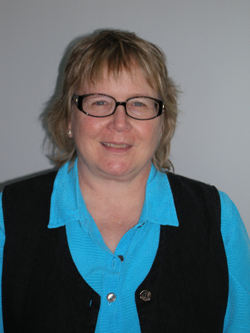
Host: David Lee, PreventConnect, California Coalition Against Sexual Assault Presenter: Michele Lynberg Black, Ph.D., M.P.H., Lead Epidemiologist responsible for NISVS, Centers for Disease Control and Prevention Cost: Free Learning Objectives:
What is a Web Conference? Real-Time Captioning Available: Compatibility: |
Find Us On     |
Newsletters and Announcements:
To receive our newsletters and conference announcements, click here to subscribe to our announcements list. You can also join via email by sending a blank message to: Prevent-Connect-subscribe@yahoogroups.com |
 |
PreventConnect is a national project of the California Coalition Against Sexual Assault (CALCASA) and is sponsored by the National Center for Injury Prevention and Control at the U.S. Centers for Disease Control and Prevention (CDC). The views and information provided in our activities do not necessarily represent the official views of the U.S. Government, the CDC or CALCASA. |